From earning global medals to expanding into new categories, Simba has emerged as one of India’s strongest voices in craft brewing. What began as a bold experiment with locally bottled stout has evolved into a brand that blends innovation, authenticity, and culture. In this conversation, the team behind Simba shares insights on scaling quality, staying true to craft, and building a global identity rooted in Indian sensibilities.
Winning global medals for Simba Wit and Stout is a milestone. Beyond recognition, how does this influence your brewing philosophy and portfolio decisions for India?
Awards at international platforms like the World Beer Awards reaffirm that Indian craft can stand shoulder-to-shoulder with global standards. But for us, they’re more of a GPS correction than a finish line. They guide two key decisions: first, to push India-inspired flavor innovations into both export markets and premium local SKUs; and second, to double down on recipe integrity, through ingredients, fermentation control, and sensory discipline. In short, we’re committed to keeping the spirit of experimentation alive while building the systems that make innovation repeatable and scalable.
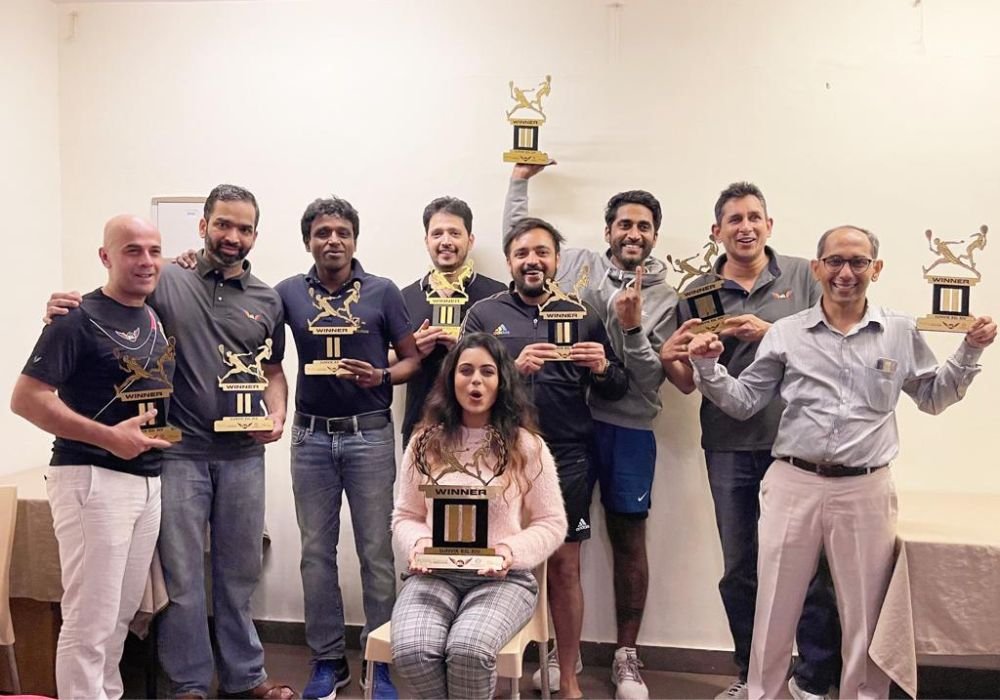
How Ironhill & She For Society Rode Into Craft Beer History
You bottled a stout early on when the category was still underdeveloped in India. What consumer behavior or market signal gave you the confidence to scale that risk?
We were tracking two early signals: bartenders in on-trade accounts looking for full-bodied dark beers to build craft-led menus, and younger urban drinkers willing to branch out beyond pale lagers. That gave us confidence that a locally bottled stout could earn steady rotation, especially with the growing appetite for roast and coffee-forward profiles. We treated the first production runs as learning curves, making quick adjustments in pricing and packaging based on merchant feedback.
India is a price-sensitive market with high taxes. How do you maintain “craft quality” without diluting your positioning or compromising on margins?
We manage this through three levers. First, product tiering - our portfolio balances a strong premium core with smaller-format, higher-ASP trial packs. Second, operational discipline - we keep COGS predictable with tighter yield control and long-term supply partnerships. Third, brand economics, we invest in cultural activations and experiences that drive frequency and justify premium pricing. Before expanding nationwide, we also pilot regional launches in markets where the tax structure and margins are more favorable.

Simba Uproar has blurred the line between a beer brand and a cultural brand. How do you evaluate success here—does it drive volume, brand equity, or both?
Both, but on different timelines. Cultural activations, through music, events, and content, build long-term equity and affinity. The short-term impact shows up in trial and velocity gains across on-trade and key retail accounts right after activations. We measure success through three lenses: social engagement, immediate sales lift, and the longer-term shift in how our core cohorts perceive Simba’s premium positioning.
Distribution remains the biggest bottleneck for alco-bev brands in India. What innovations?
We approached it with three levers. First, staggered launches, prioritizing states and cities with strong on-trade density and friendlier policies. Second, regional partnerships, working with distributors who understand local regulatory nuances. Third, localized execution, dedicated teams for each new market to ensure compliance and agility. During COVID, we also reinforced warehouse logistics and improved supply predictability for partners. These practical, local-first measures have allowed Simba to scale despite structural hurdles.
With the launch of ZigZag Vodka under SALTBORN, are you moving toward building a house of brands? How do you avoid brand dilution while diversifying?
Yes, Saltborn is the collective umbrella. Our approach to a house of brands is deliberate: each brand carries its own mission and consumer promise, Simba as the face of craft beer culture, ZigZag as a vibrant, flavor-driven vodka. Distinct visual identities, tailored go-to-market strategies, and clear category boundaries protect equity. We greenlight new launches only if they extend the core ethos, not duplicate it.
Indian craft beer often struggles with consistency at scale. What systems or processes have you built to ensure small-batch quality translates into mass distribution?
We invested early in three pillars. First, modular production runs that lock recipe parameters across brewhouses. Second, lab-driven QC, from microbial checks to fermentation profiling. Third, standardized SOPs for every brew. To catch taste drift before it reaches the market, we also run regular sensory calibration with trained panels. For us, scaling means scaling the craft - not losing it.
Global brands dominate premium shelf space in India. What gives Simba the confidence to stand shoulder-to-shoulder with imports, and how do you differentiate?
Confidence comes from three sources: authentic storytelling, established taste credentials backed by international medals, and cultural relevance with younger consumers. Differentiation lies in our design language, limited-edition drops that create buzz and exclusivity, and our origin story, Indian craft brewed with global standards. These factors allow Simba to command pricing that even imports respect.

Consumer data today comes from retail velocity, social media buzz, and culture activations. Which insights have surprised you most and directly shaped product or campaign decisions?
Two stand out. One, micro-regional taste clusters, flavors that excel in one city but underperform in another, which pushed us toward hyper-local SKUs and micro-launches. Two, cultural partnerships, collaborations in streetwear and music accelerate trials far more effectively than pure sampling. These insights have shaped our culture-first investments and the way we introduce new tastes.
Sustainability in brewing is not just about optics but about survival. What measurable targets, water use, packaging, and carbon footprint have you set for Simba by 2030?
Sustainability is vital. With quantifiable year-over-year targets tracked centrally (water-use KPI per Sustainability is central to how we grow. We track clear year-over-year KPIs, water use per hectolitre, % of recycled packaging, and Scope 1/2 energy reduction goals. Our commitments focus on lowering energy through efficiency projects, increasing recycled content in packaging, and reducing water intensity per liter brewed. Importantly, we prioritize initiatives that deliver both environmental and financial returns, ensuring sustainability scales with the business.
Recognition like Forbes 30U30 and Fortune 40U40 puts you in the spotlight. How do you balance that personal profile with the need to keep Simba’s story bigger than its founders?
We use the spotlight to elevate the craft and the team, not the individual. Public recognition creates opportunities, but our narrative deliberately celebrates the brewers, designers, and collaborators behind Simba. In practice, the brand story centers on the larger ecosystem, while leadership limits itself to select thought-leadership roles.
Looking 3–5 years ahead, what bold bet are you willing to make, be it a new category, an international market, or a disruptive format that could redefine Simba’s legacy?
We see two bold bets. First, diversifying Saltborn’s portfolio into adjacent premium categories - spirits and ready-to-drink formats, while protecting brand distinctiveness. Second, international expansion through festival-led and experiential launches in markets with strong diaspora or craft interest, rather than traditional distribution. For us, the bold bets are those that scale operations while preserving authenticity.