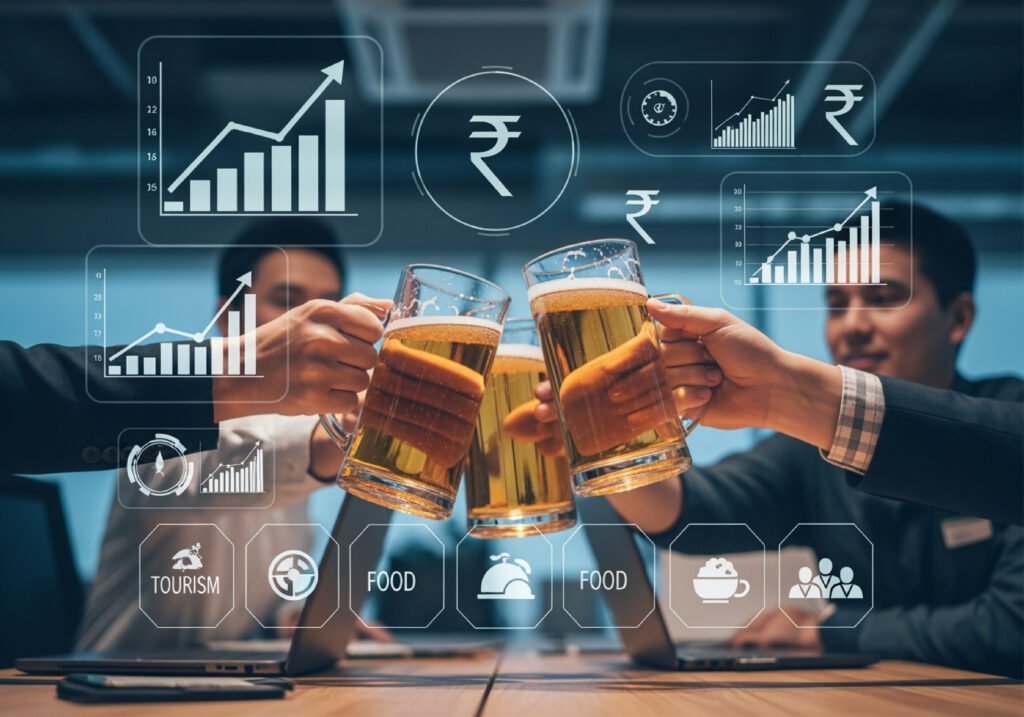
In 2023, India’s beer industry contributed a staggering ₹92,324 crore (USD 10.6 billion), about 0.3% of the nation's GDP, and supported some 1.3 million jobs, according to Oxford Economics. As growth shifts from factories and taps to the open spaces where festivals happen, beer festivals in India have become a key driver of this economic momentum.
Every year, major events like the India Brew Fest, Bengaluru Beer Week, and the Pune Craft Beer Festival draw thousands of beer enthusiasts to vibrant city venues. These gatherings go beyond social gatherings; they foster dynamic ecosystems where breweries, vendors, and local businesses thrive in harmony.
Return Of Bira 91 To Bengaluru
A Multi-Layered Revenue Engine
What makes these festivals so economically powerful? They’re no longer one-dimensional. Ticketing generates the first wave of income, from general access and tasting passes to premium VIP upgrades. Then add brewery participation fees, tap-share revenue, on-site beer and food sales, and branded merchandise, think glassware, T-shirts, and takeaway craft kits. Strategic tie-ups with fintech apps, ride-hailing services, and lifestyle brands generate sponsorships and practical benefits like discount codes and contactless payment setups.
This layered monetization makes beer festivals in India more than beer-tasting events; they’re structured business models that profit across participants, sponsors, and local vendors.
Brewer World Conclave: A Case Study in Scale
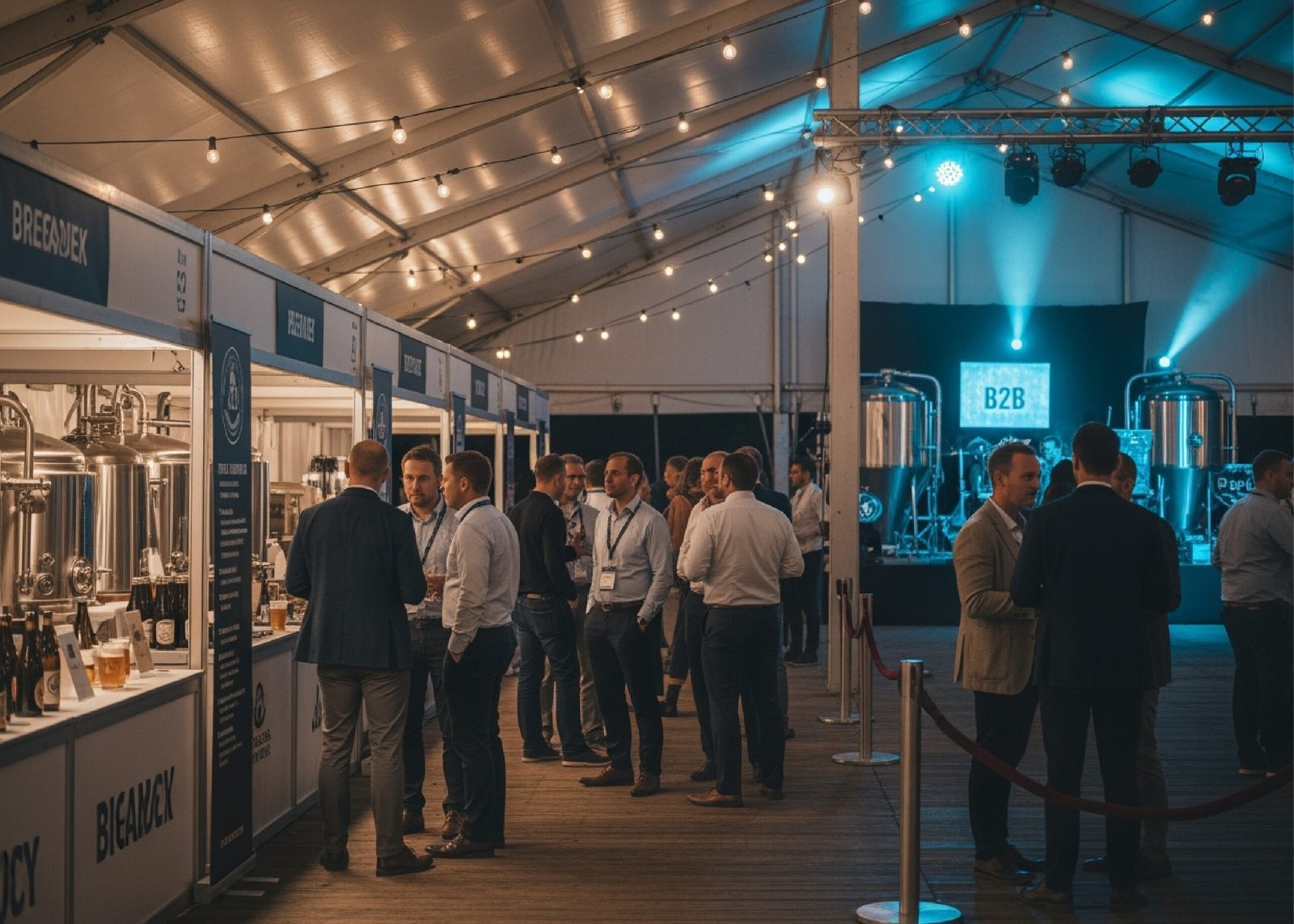
The Brewer World Conclave illustrates the height these festivals can reach. As a hybrid event combining B2B trade shows, technical workshops, and public sessions, it stands apart in adding depth and commercial viability. Featuring over 75 exhibitors, educational sessions like “Yeast & Hops Interaction,” and the prestigious “Beer of India Awards,” the Conclave offers breweries an immersive platform that promotes both learning and consumer outreach.
7 Beer Cocktail Recipes For This Festive Season
Its success serves as a blueprint for how beer festivals in India can evolve into multi-dimensional platforms that drive sponsorships, networking, brand loyalty, and knowledge-sharing, effectively blending education, entertainment, and enterprise.
Boosting Local Economies and Tourism
The real-world impact is significant. Festivals draw large crowds, filling local hotels, generating ride-hailing trips, and boosting footfall at restaurants and bars. They also provide temporary jobs in areas such as event management, security, hospitality, and live performances. Vendors, food stalls, merchandisers, logistics partners, and even glassware suppliers see substantial upticks in business.
As tourism itself grows, contributing nearly 9.2% to India’s GDP, beer festivals in India are becoming an emerging niche in this sector. Enthusiasts are now booking tickets and travel specifically for festival weekends, helping to unfold a parallel sub-sector of beer tourism that spans across regional circuits.
Facing Hurdles
Yet, these festivals aren't without challenges. India’s state-by-state licensing system is fragmented, creating bureaucratic bottlenecks. Excise policies vary drastically from one region to another, increasing compliance risks. Event costs, covering permits, venue rentals, technical infrastructure, and safety measures, are high, and unpredictable variables like weather threaten profitability.
Still, the success stories from DIY indie fests to the prestige of the Conclave show that with careful planning and layered revenue strategies, beer festivals in India can be financially sustainable.

Scaling Curated Experiences
The broader beer market is also riding a bullish wave. Craft beer in India reached USD 4.7 billion in 2024 and is projected to grow to USD 33.3 billion by 2033, with a CAGR of 23.4%. The overall beer market is expected to exceed INR 80,250 crore by 2033 . This growth is not solely metro-driven: companies like SOM Distilleries are investing ₹600 crore to expand premium beer production, anticipating rising demand in Tier‑2 cities.
Beer festivals in India are likely to follow suit, expanding into smaller cities, offering regionally themed editions, and increasingly becoming B2B + B2C hybrids. Supported by improved mobile infrastructure and increasingly liberal alcohol policies, curated, city-specific beer events will likely become the next big wave.
Conclusion
As 2025 progresses, beer festivals in India are emerging as critical growth platforms. Backed by ₹92,000 crore in GDP contribution, 13 lakh jobs, and rapid market expansion, they hold the potential to transform regional economies and cultural identities. While challenges remain, the brightest festivals are already blending commerce, culture, and community into experiences that matter and pay off.