Historically, India’s relationship with alcohol had always been one of quiet discretion. There was a time when drinks were poured behind closed doors, with glasses subtly covered by napkins, as if to hide even the idea of indulgence.
However, the dynamics have shifted.
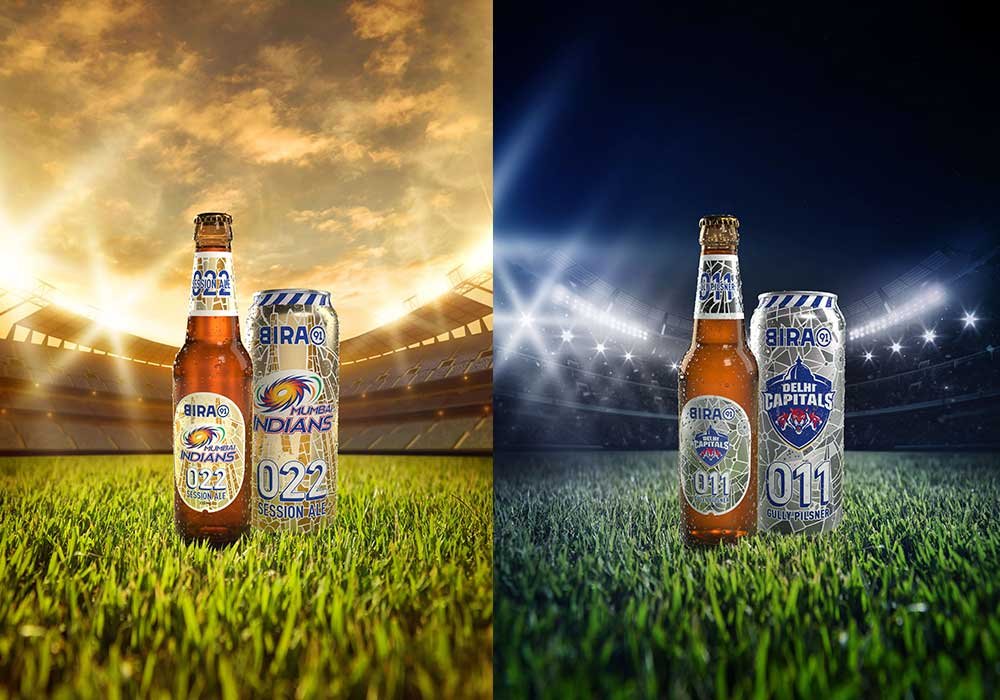
Today, India’s alcohol consumption is not just about indulgence; it’s about expression and experience. The younger generation, armed with disposable incomes and global exposure, is redefining the country’s drinking culture. And at the forefront of this revolution are homegrown beer brands leading the revolution with cheers, crafting brews that resonate with India’s evolving palate.
Changing consumer preferences
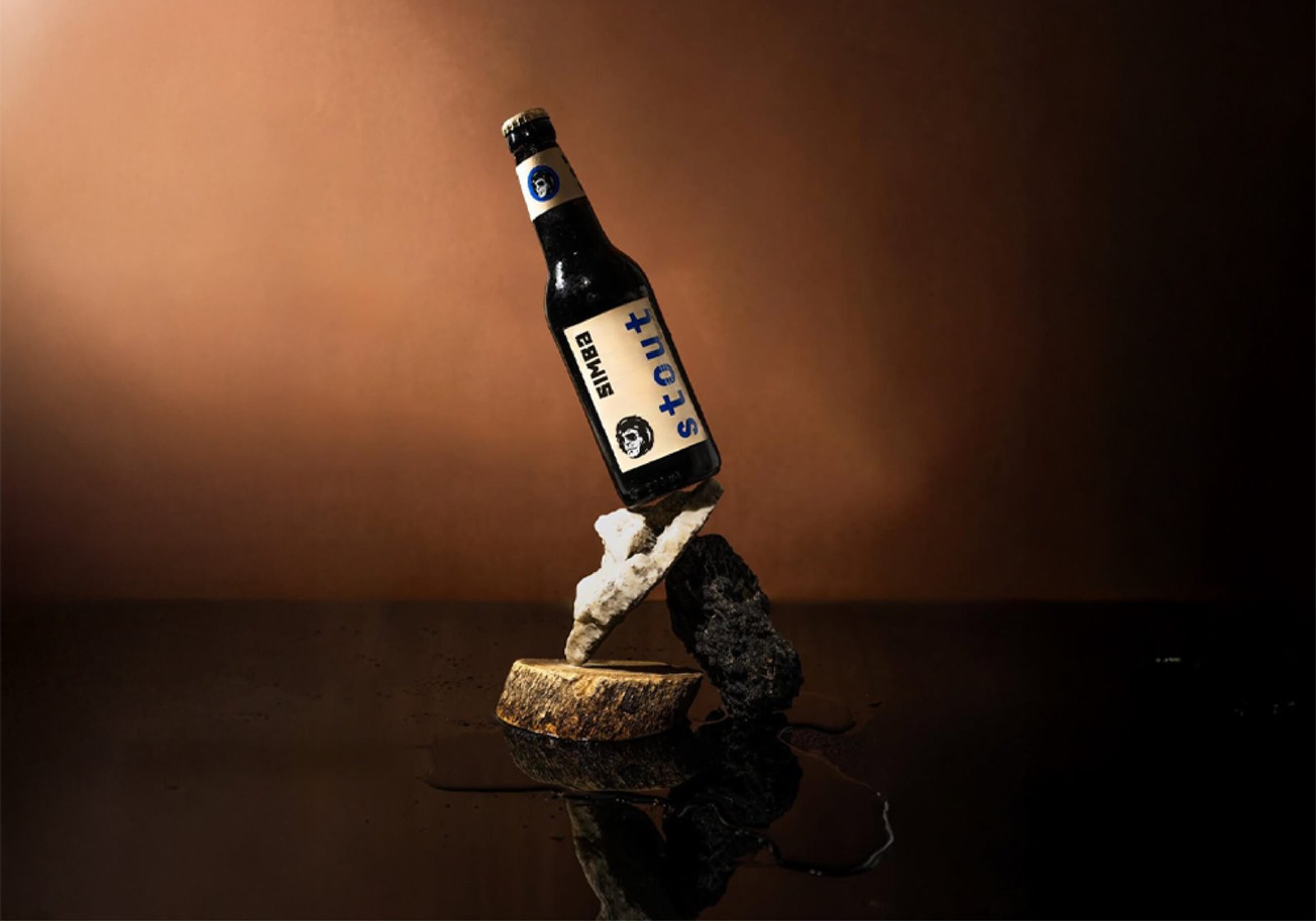
The shift in India’s beer consumption is driven by a mix of factors: urbanization, rising disposable income, global exposure, and an increasing affinity for premium alcoholic beverages. For example, a growing number of consumers now prefer wheat beers, IPAs, and stouts over conventional strong lagers. This demand for variety has encouraged homegrown breweries to experiment with different styles and ingredients, incorporating indigenous flavors like mango, kokum, and spices to create uniquely Indian craft beers.
Moreover, as health consciousness rises, there’s a growing preference for beers with lower alcohol content, natural ingredients, and fewer additives. Many local brands have responded by launching session-able, easy-drinking options that cater to this evolving preference.
The rise of Indian homegrown beer brands
India’s beer market is booming. It is already valued at around $10.3 billion and is projected to reach $20.1 billion by 2032 growing at about 8.2%. But what is interesting is that craft and homegrown beer brands are gaining momentum. Data suggest that it is growing at about 25% per year.

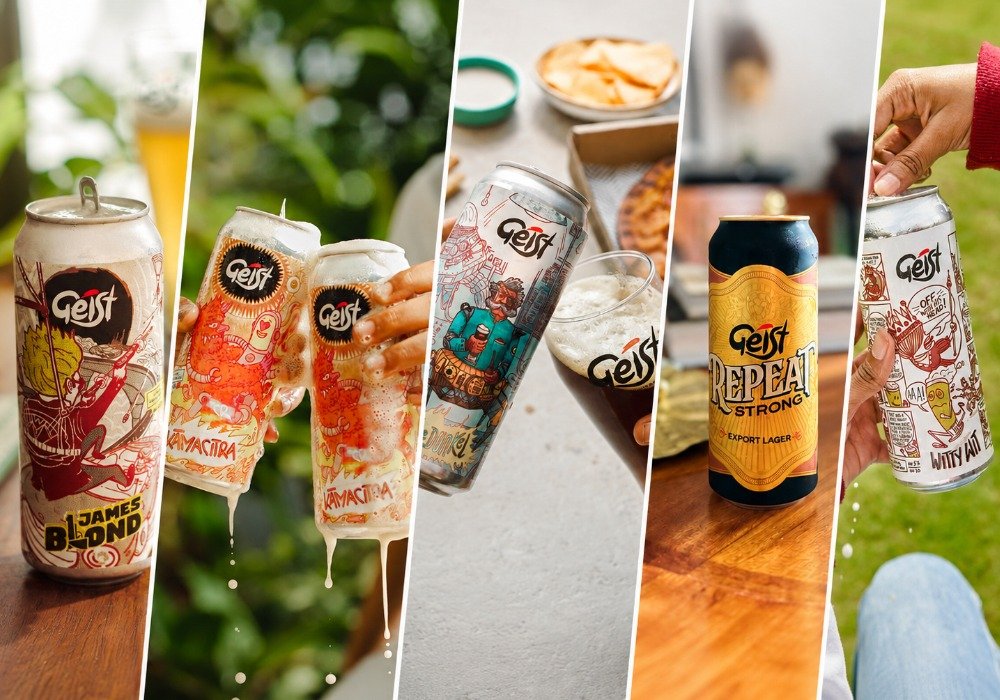
Thus, gone are the days when mass-produced lagers dominated the market. Today, consumers are seeking variety, quality, and authenticity and homegrown beer brands are at the heart of this transformation. They are not just brewing beer; they are crafting experiences that reflect India’s diverse culture and tastes. For instance, many brands have embraced India’s rich culinary heritage, infusing their brews with indigenous ingredients like spices, fruits, and herbs. This localization of flavors has struck a chord with consumers who are eager to explore beers that tell a story and evoke a sense of place.
Another trend is the growing demand for low-alcohol and non-alcoholic beers. Health-conscious consumers are increasingly opting for lighter, more refreshing options. A study found that sales of low-alcohol beers in India grew by 30% in 2023, driven by younger consumers who want to enjoy the social aspect of drinking without the aftereffects.
Technology as a disruptor
Like any other industry, especially in the beverages space, technology and innovation are playing a crucial role. From advanced brewing techniques to data-driven marketing and distribution strategies, homegrown brands are leveraging technology to stay ahead of the curve. A great example is how many brands are using social media to connect with consumers and build a community around their products. Platforms like Instagram and Twitter have become powerful tools for storytelling, allowing brands to showcase their craftsmanship and engage with their audience in meaningful ways.
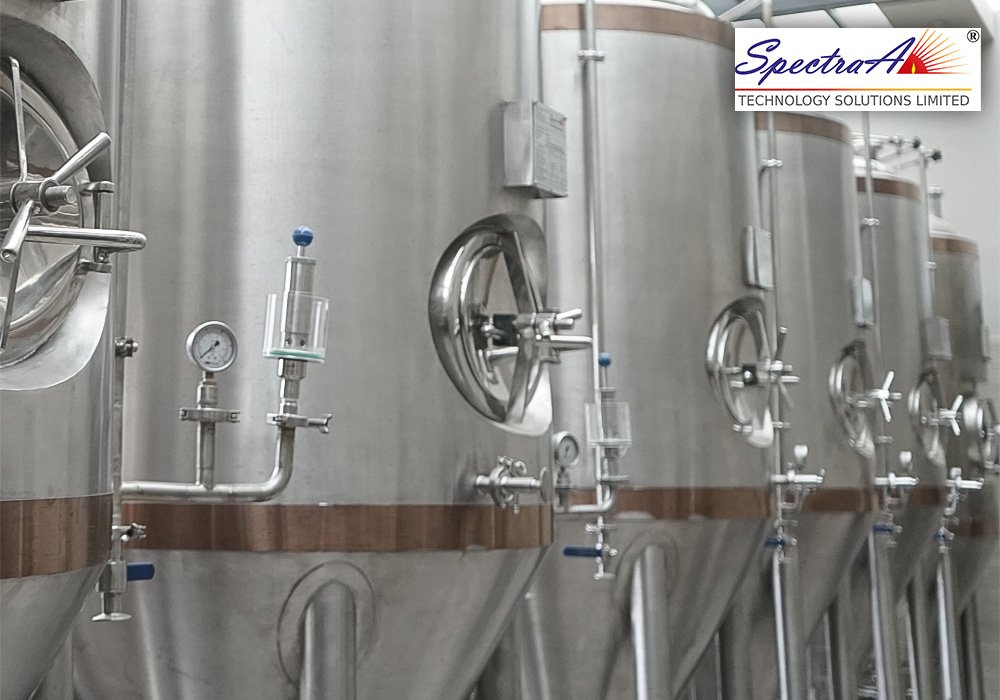
Additionally, state-of-the-art brewing facilities are enabling brands to experiment with new flavors and maintain consistent quality. Data analytics is also being used to understand consumer preferences and tailor offerings, accordingly, ensuring that brands stay relevant in a rapidly changing market.

Challenges and opportunities
Despite the promising growth, the Indian beer market remains heavily regulated. State-specific alcohol policies, high taxation, and restrictions on advertising make it challenging for brands to scale quickly. However, these constraints have also pushed brands to get creative with their marketing strategies—leveraging digital platforms, influencer collaborations, and experiential events to reach their audiences.
Moreover, the growing acceptance of premium and craft beer in tier-2 and tier-3 cities presents a significant opportunity for expansion. As disposable incomes rise and social drinking becomes more mainstream beyond metros, homegrown brands can tap into a new wave of beer enthusiasts looking for quality alternatives.
The Road ahead
I strongly believe that the Indian beer industry is at an inflection point. With a new generation of consumers seeking variety, authenticity, and quality, homegrown brands are poised to lead the charge. In the years ahead, we can expect to see more collaborations between craft breweries, limited-edition releases, and even deeper integration of local ingredients and brewing techniques. As India’s beer palate matures, the role of homegrown brands will only become more prominent, ensuring that the country’s beer scene remains as dynamic and diverse as its consumers.
(The Author is the Founder and CEO of Medusa beverages)