India is a playground of flavours, and it’s impossible not to get inspired. I’m especially fascinated by the country’s bold and expressive spices, particularly chillies and ginger. They have a beautiful way of adding warmth, personality, and character. Traditionally, under the German Reinheitsgebot, our historic purity law, ingredients were strictly limited to water, malt, hops, and yeast. But brewing today is about curiosity and evolution. I’d love to see how these distinctly Indian flavours can be layered into beer in a balanced, thoughtful way without overwhelming its essence. It’s all about respecting both heritage and creativity.
If you had to introduce Indian craft beer to a first-time drinker in Germany, how would you describe the scene in one sentence?
I’d describe it as a young, vibrant, and rapidly evolving craft beer movement that is currently shaped by European influences, but confidently growing toward discovering its own unique identity.
You’ve spent decades brewing across Europe. What core brewing principles from Munich and Bavaria should never be compromised?
Brewing is full of possibilities, and I absolutely believe in adapting, experimenting, and learning continuously. However, one principle I will never compromise on is discipline in hygiene and quality control. That has been ingrained in me through years of German brewing culture. Cleanliness, precision, and attention to every microscopic detail form the backbone of great beer. No matter the country, market, or scale, that foundation remains sacred. When your fundamentals are strong, creativity has a much stronger platform to shine.
German brewing is known for restraint, while India celebrates boldness. How do you balance structure with creativity?
Germany historically lived by the Reinheitsgebot, and for decades, it shaped our brewing identity. But even back home, times have changed. There’s a wonderful new generation of German brewers challenging norms, experimenting, and building exciting flavours while still respecting technical precision. Personally, I enjoy standing exactly at that intersection, where tradition meets curiosity. India is incredibly inspiring because the energy, openness, and enthusiasm for new flavours are infectious. My aim is to bring solid German structure to every brew while keeping my heart open to India’s spirit of adventure.
Having worked in mature beer cultures, what surprised you most about Indian beer drinkers?
The most surprising and fascinating insight so far has been India’s comparatively low appetite for bitterness. In Europe, bitterness and higher IBUs are often celebrated, almost like a badge of pride. Here, people seem to favour smoother, gentler beers with rounded flavours. This difference excites me, because it challenges me to think differently. It pushes me to reimagine traditional recipes in ways that better resonate with Indian palates, without losing craft integrity.
Ironhill operates at an incredible scale. From a brewmaster’s perspective, what are the biggest challenges when craft meets scale?
When craft meets scale, the real magic lies in staying absolutely committed to quality while managing volume. That means reliable laboratory support, continuous tastings, constant microscopic analysis, and never letting discipline slip even for a moment. Beyond the technical side, staying deeply aware of market behaviour is crucial. In Germany, for example, overall beer consumption is declining while non-alcoholic beverages are rising significantly. Markets change. Preferences evolve. The challenge is to keep your quality unwavering while staying agile enough to respond to trends.
How relevant is the German purity philosophy in India today, and how do you reinterpret it?
The Reinheitsgebot will always remain a proud pillar of brewing heritage. It taught the world precision, purity, and respect for ingredients. But even in Germany today, we’ve become more flexible and open-minded, which I see as a positive evolution. In a country like India where climate, ingredients, and consumer behaviour are incredibly different, it makes sense to reinterpret that philosophy rather than rigidly enforce it. The goal remains the same: brew honestly, brew cleanly, and brew with respect. The methods simply adapt to the world we are in.
How do you approach refining classic styles versus creating seasonal and experimental brews?
Classics deserve respect. When I brew a traditional style, I treat it almost like preserving history in a glass. It requires discipline, authenticity, and a deep understanding of where the style came from. Seasonal and experimental brews, however, are like creative playgrounds. They allow us to tell new stories, push boundaries, and surprise people. For Ironhill, I see it as a beautiful balance where I can honour tradition while allowing innovation to happily coexist beside it.
As Ironhill expands across cities, how do you ensure the same beer quality everywhere?
Consistency at scale isn’t accidental. It’s a system. It requires clear standards, well-documented processes, disciplined execution, and most importantly, constant communication. Ironhill already has this in place. I will add another layer of communication and stay connected with every brewing team, regularly reviewing processes, guiding where needed, and ensuring that everyone shares the same pride in every pint we pour - whether it’s in Bengaluru, Hyderabad, or any new city we walk into.
Beyond recipes, great breweries are built on people. How do you mentor and upskill Indian brewers?
For me, mentoring is not about instructing but more about sharing passion. I believe in not just about passing on techniques, but the “why” behind them. When brewers understand philosophy, hygiene culture, flavour logic, and discipline, they don’t just follow instructions. They grow as craftsmen. India has incredibly talented young brewers with great curiosity. Ironhill has a giant’s share of them. My job now is to channel that discipline and curiosity through strong European brewing principles while learning from them in return, then we build something truly powerful together.
Which global craft beer trends do you see shaping India in the coming years?
I believe India will increasingly move toward cleaner and lighter beers, alongside clearer flavour expressions. At the same time, sustainability will become more important, be it in raw materials, energy use, or brewing efficiency. India’s craft community is young and forward-thinking. I see a future where quality, responsibility, and flavour intelligence go hand in hand.
Looking ahead, how would you like Ironhill’s beer identity to be remembered under your leadership?
Ironhill already enjoys a strong reputation for its beers, service, and hospitality, so I’m starting from a position of strength. My role now is to elevate the nuances of the craft-brewing process. If, two or five years from now, people can recognise these nuances and further cement Ironhill’s reputation for beers brewed with heart, precision, honesty, and imagination, I’ll consider that a job well done. I hope they see a brewery that respects tradition, embraces innovation without fear, and above all, delivers beer that brings people joy because at the end of the day, beer is about happiness, connection, and shared experiences.
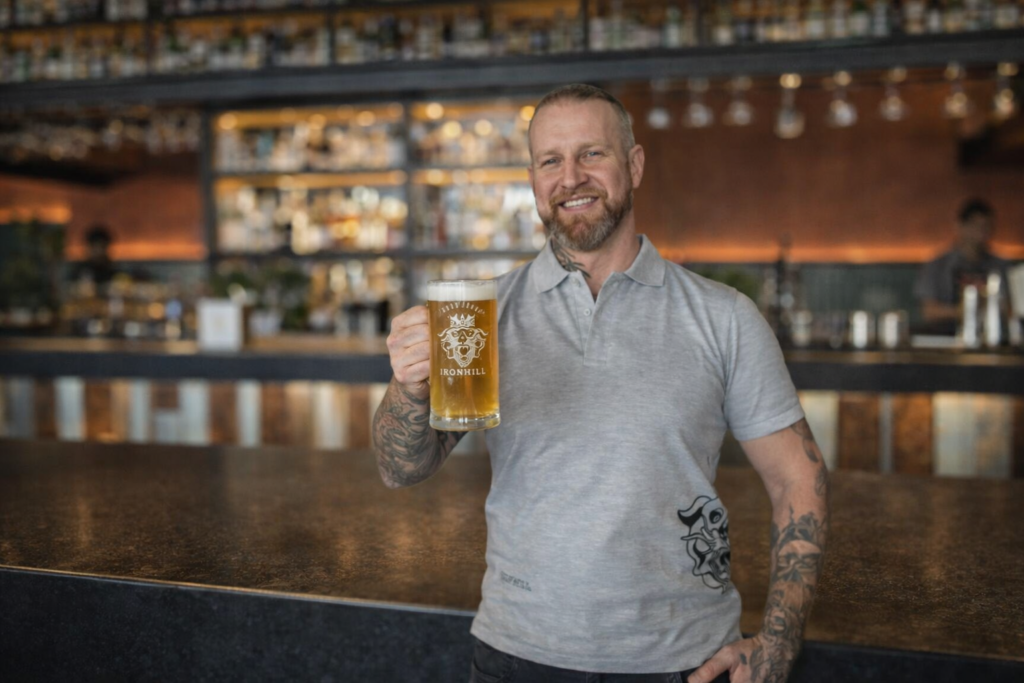
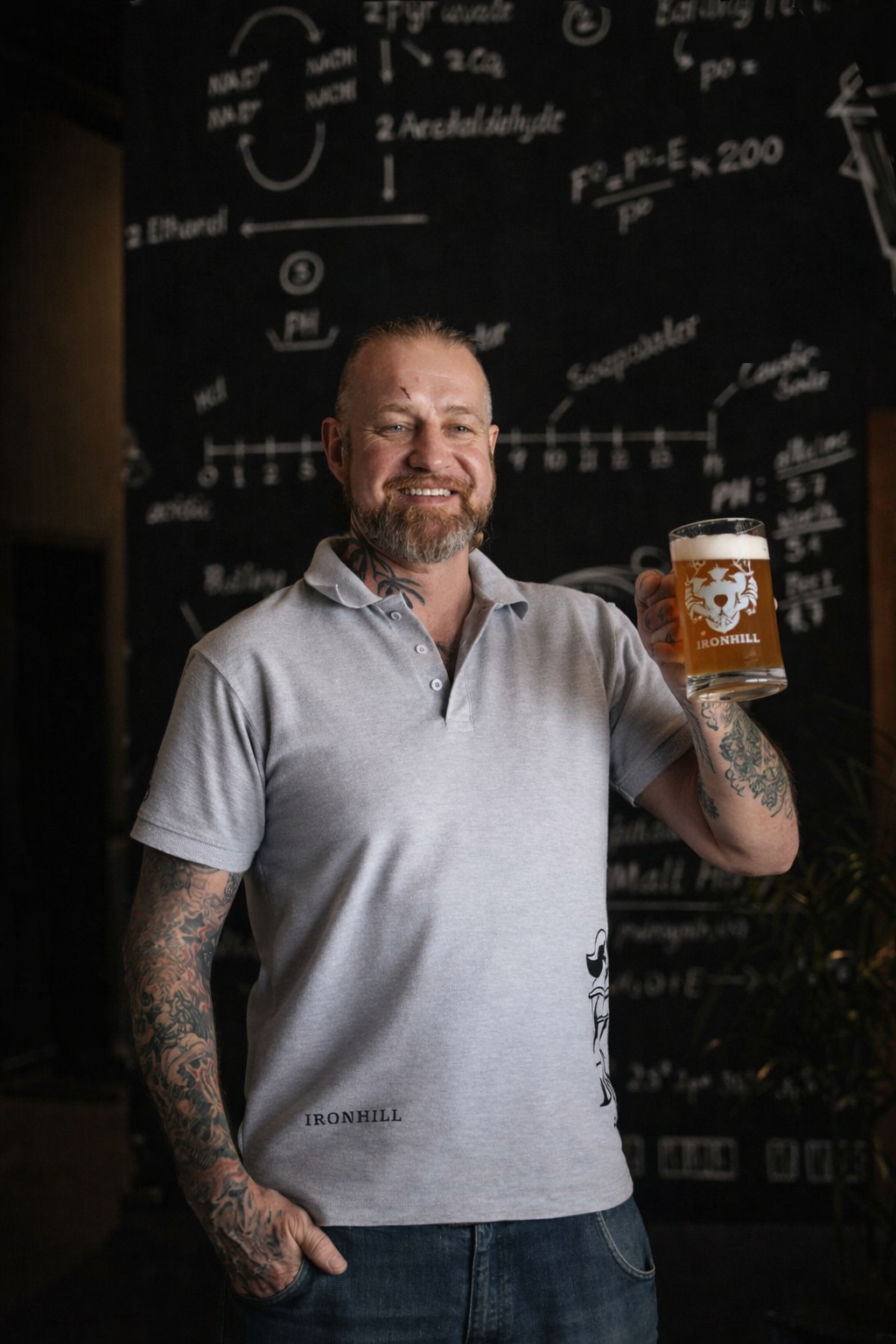
For Mr. Martin Barth, brewing at ironhill is not about imposing tradition, but about translating it with intent. His focus on uncompromising quality, strong systems, and brewer mentorship underscores a long-term vision where consistency and creativity coexist. As ironhill continues to scale across Indian cities, Barth’s influence lies in refining nuance rather than reinventing fundamentals, ensuring every beer reflects honesty, balance, and purpose. Under his leadership, ironhill is steadily building an identity rooted in precision and imagination, one that respects its European foundations while confidently evolving within India’s vibrant craft beer landscape.