By Rajesh Khosla, CEO, AGI Greenpac
India’s alcobev industry stands at an inflection point. India’s alcobev industry stands at an inflection point. No longer defined only by scale, it is increasingly being shaped by aspiration, quality, and global ambition. With a growing domestic market and rising consumer sophistication, the sector evolution depends on three critical levers: regulatory clarity, strategic investment, and the ability to build premium, globally benchmarked brands.
In the alcobev sector, policy frameworks directly shape production economics, route-to-market models, and pricing dynamics. A stable and transparent regulatory environment enables sustained investment and structured growth.
AGI Genpack Redefines Best Packaging With Aluminium Cans
Regulation and taxation as structural influences
The alcobev sector in India operates under a mix of central and state regulations. Given that alcohol is a state subject, regulatory structures vary across markets, adding to operational complexity. One consistent policy approach in recent years has been the emphasis on stability over abrupt change. For instance, alcoholic liquor remains outside the ambit of GST, maintaining the status quo at the central level even as other compliance requirements continue to evolve. This continuity is meaningful in an industry where sudden policy and tax changes can shift pricing structures and investment plans quickly.
Stable duties and well-communicated regulatory pathways allow producers to plan for the longer term. In a sector where margins, distribution models, and consumer price sensitivity are closely linked to state-level taxation, regulatory consistency supports disciplined expansion and long-term capacity planning. Ease of doing business and global credibility.
Ahmedabad's New Face Of Cocktail Culture
The FY2026–27 Budget reinforces India’s continued emphasis on ease of doing business and infrastructure expansion, with capital expenditure allocated at historically high levels. Investments in logistics, ports, and transport corridors are steadily improving supply chain efficiency and reducing transit timelines. For Indian alcobev producers, this means better connectivity to domestic markets and global gateways. International buyers and partners value reliability and efficiency in both production and distribution. These investments, while not specific to alcobev, support the broader ecosystem for industries aiming to scale globally.

Premiumisation as a structural shift
India is already one of the largest whisky markets in the world, with annual consumption estimated at around 280 million cases in 2025, accounting for nearly half of global whisky volumes. Within this significant base, growth is increasingly concentrated in higher-value segments.
Industry analysis estimates that India’s premium spirits market was valued at approximately USD 8.8 billion in 2024 and is projected to reach nearly USD 19.7 billion by 2033, expanding at a significantly faster pace than mass categories.This shift reflects more than rising incomes. Urban consumers are demonstrating greater appreciation for quality, provenance, and differentiated brand experiences. For Indian producers, this signals a structural evolution that aligns more closely with global consumption patterns and enhances readiness to compete internationally on quality rather than price alone.
Packaging as a strategic differentiator
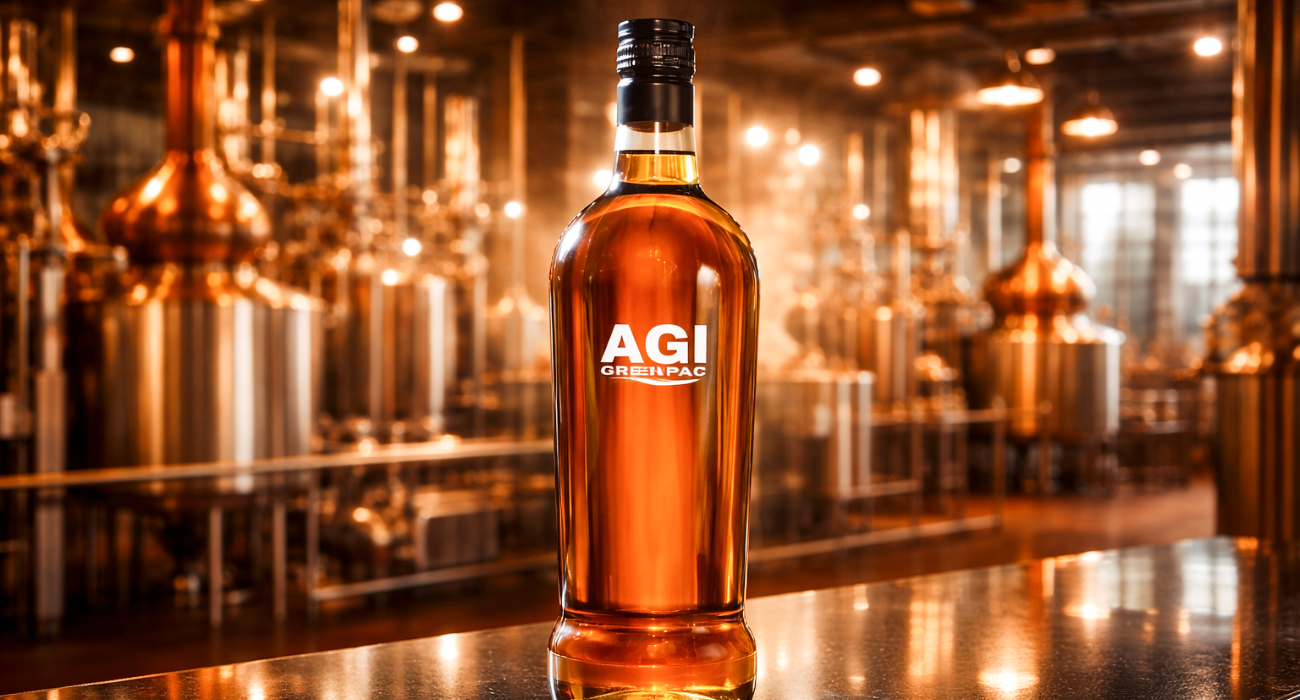
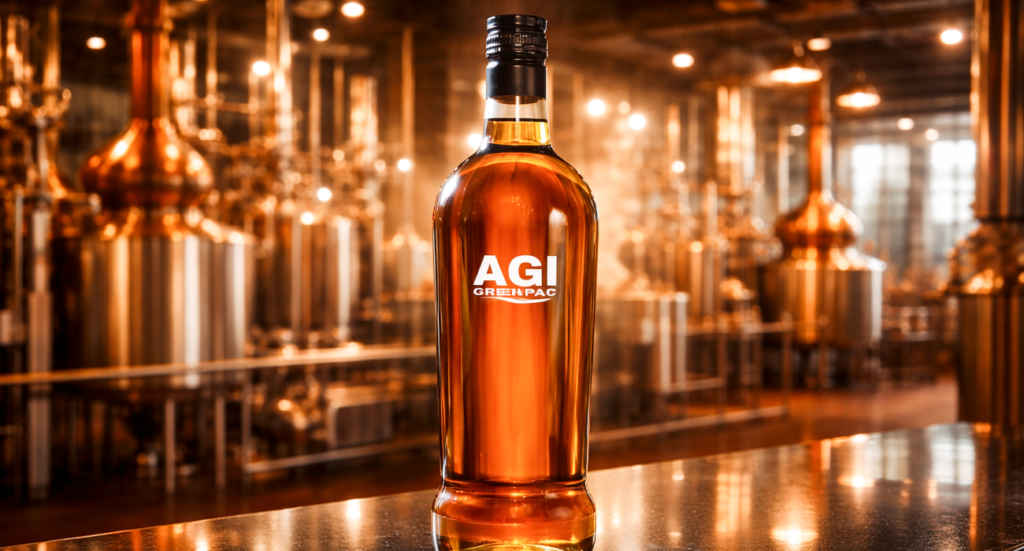
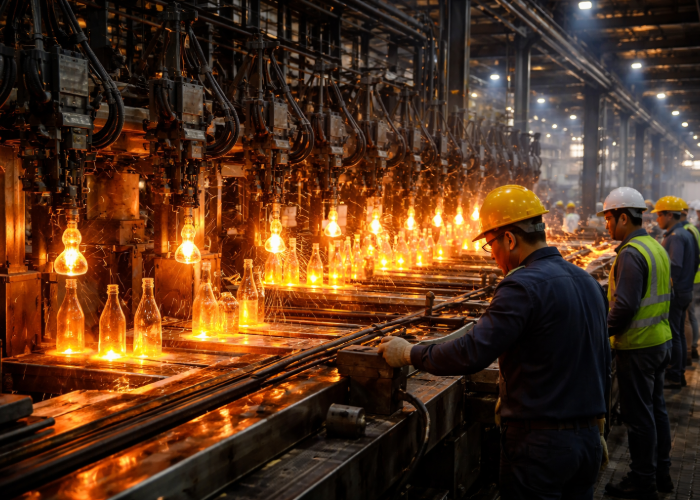
As brands seek differentiation, packaging becomes a strategic tool. In premium alcobev, packaging is often the first tangible expression of a brand’s positioning. The weight, clarity, and design of glass contribute to the consumer’s perception of quality. Elements such as form, finish, embossing, and closure systems reinforce distinct brand identity and elevate shelf presence. Glass also aligns with environmental and circular economy goals. With sustainability becoming a key consideration for global buyers and regulators, recyclable and reusable packaging offers a clear advantage. India’s focus on manufacturing that is both high quality and environmentally sound resonates well with these global trends.
Globally, buyers and regulators are placing greater emphasis on environmental performance across the value chain. Glass packaging, with its recyclability and inert composition, aligns with these expectations while reinforcing brand credibility in export markets. The broader trade environment is also evolving. India’s recent conclusion of a comprehensive India-European Union Free Trade Agreement is set to reduce tariffs on imported spirits and wines, expanding consumer choice and raising the bar for competitive dynamics. Such agreements, coupled with stable domestic frameworks, enhance the global appeal of Indian products and support their positioning in premium segments. The
From domestic strength to global relevance
India’s alcobev industry has a large and growing consumer base, manufacturing capabilities, and an increasingly premium market segment.
Policy stability, thoughtful taxation frameworks, predictable compliance, and investments in infrastructure make it easier for producers to think beyond local markets. Premiumisation drives value creation and encourages innovation, while factors like glass packaging and sustainability credentials support both differentiation and export readiness. The recent regulatory focus reflects a broader economic environment that supports these trends through infrastructure investments, regulatory clarity, and continued emphasis on ease of doing business. Success will depend on the ability of industry and policymakers to translate these macro signals into tangible outcomes for producers and consumers alike.
India can build a globally competitive alcobev industry. The foundations are taking shape, and with continued alignment between policy, market factors, and strategic investments, Indian brands are well-positioned to compete with confidence on a global stage in the alcobev industry.