Walk into any Indian taproom today, and you will spot it quickly—a lager made with basmati rice. A wit kissed with coriander. A seasonal sour built around kokum or jamun. These beers are not trying to “taste like India” in a postcard way. They are responding to very real pressures and opportunities: rising craft curiosity, the cost of imports, the search for differentiation, and a growing push to source closer to home.
But is this a lasting shift—or just a flavour phase?
Why brewers are looking local
Most Indian breweries still depend heavily on imported malts and hops for consistency and performance. Local additions often enter as adjuncts, ingredients that sit alongside a barley-malt base rather than replace it completely. That matters because beer is chemistry. Grain choice affects enzymes, filtration, body, and fermentation performance. Fruit affects pH and stability. Spices can become harsh fast. Local ingredients can elevate a beer, but they can also wreck it if handled casually.
Why INOXCVA Is The New Name In Premium Kegs
So the interesting story is not “India meets beer.” It is how brewers are learning to make local ingredients behave like reliable brewing inputs.
Local grains: rice, millets, and Indian wheat
Grains are where the “long-term shift” argument feels strongest. Rice is already familiar in global brewing, and Indian brewers are using it to create clean, crisp lagers suited to heat and spicy food. Bombay Duck Brewing, for instance, has brewed with a Maharashtra rice variety for a farmhouse-style beer.
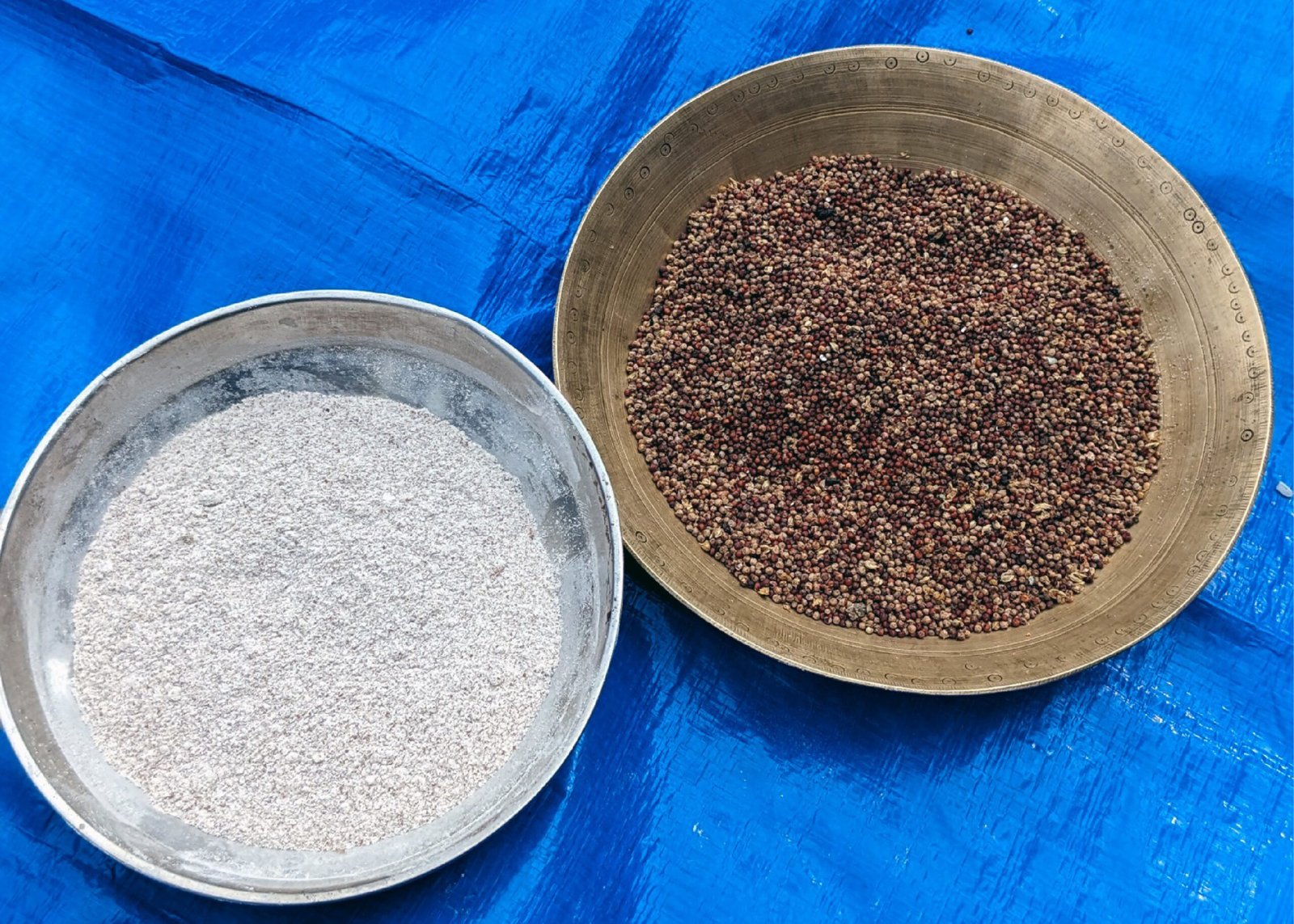
Millets go a step further. They speak to climate resilience and regional agriculture, but they also bring technical hurdles. Millets typically need careful processing and recipe design to avoid stuck mashes and poor extraction. Pune’s Great State Aleworks has been one of the most visible names experimenting with millets for years, and it has even pushed to develop a 100% millet beer—showing how serious this lane is becoming.
If India builds stronger local supply chains for malted grains (not just raw grain), this category can move from “limited release” to the everyday menu.
Raise A Glass To Indian Single Malts This New Year
Spices and herbs: the thin line between nuance and noise
Spices can instantly make a beer feel “new,” but they are also the easiest way to make it feel messy. The best spice-led beers use restraint and purpose, mirroring how classic Belgian styles use coriander and citrus peel, rather than dumping in a spice box.
Bengaluru’s Geist, for example, highlights the use of ingredients like coriander and even black salt across some brews, showing how Indian flavour cues can sit inside established style logic.
In Delhi, Kati Patang has been noted for beers that play with ingredients like saffron, turmeric, ginger, and peppercorn—again, leaning on familiar culinary notes but keeping the beer format recognizable.
This lane will likely stay “seasonal and signature” rather than become a default. Spices work best when they support a style, not replace it.
Fruits and local produce: freshness wins, consistency is the battle
Indian fruit beers succeed when brewers treat fruit like a brewing ingredient, not a syrup. Kokum, for instance, naturally fits the tart, salty structure of a gose-style beer and shows up in Indian craft brewing as a regional twist with real functional logic.
But fruit adds supply volatility. Seasonality shifts. Sugar levels change batch to batch. Cold-chain requirements jump. That is why many fruit-forward beers remain rotating taps rather than year-round flagships.
Still, fruit beers match India’s climate and drinking occasions. Expect this category to keep growing—especially in lighter styles and sours.
Smoked malts and “Indian smoke”: more niche, but sticky with the right crowd
Smoked beers are not new globally, but they are gaining visibility in India as drinkers chase complexity beyond hop bitterness. The core idea is simple: smoke the malt, then brew. The execution is not. Too much smoke dominates; too little vanishes.
Geist’s Smoked Lager, brewed with beechwood-smoked barley malt in a Märzen-style format, is a clean example of how Indian breweries are making smoke feel balanced and food-friendly rather than aggressive.
This will remain niche, but it will likely stay. Smoke creates a distinct identity without relying on fragile produce supply.
So…trend or long-term shift? It’s both, depending on the ingredient.
Millets and rice have the clearest long-term case because they link to cost, agriculture, and climate fit—if processing and quality can scale.
Spices and fruits will continue as a creative edge, high impact, high risk, and often seasonal.
Smoked malt beers will sit as a specialist lane for drinkers who want depth.
The bigger shift is this: Indian craft beer is maturing. Brewers are moving from “fusion for attention” to “local sourcing with intention.” When local ingredients improve the beer and the business, they stop being a trend. They become the new normal.